- Mar 20
Raising Highly Sensitive Children: What It Looks Like & How to Support Them Through Play
- Ashley Ventrice
- Parenting
- 0 comments
If you’ve ever looked at your child and thought, “Wow… they feel everything deeply,” you might be raising a highly sensitive child.
Highly sensitive children experience the world in a beautifully intense way. Sounds may feel louder. Emotions may feel bigger. Transitions can feel harder. But along with those challenges comes something incredible — deep empathy, creativity, intuition, and emotional awareness.
Many parents discover their child’s sensitivity slowly over time. Sometimes it shows up in infancy. Sometimes in toddlerhood when emotions start to explode. And sometimes parents realize… they were that sensitive child too.
For me, that realization came while raising my daughters. I started noticing the same deep emotional responses I had as a child — big feelings, strong empathy, and a nervous system that felt everything very intensely.
The good news? Highly sensitive children thrive when their environment supports their nervous system. And one of the best ways to do that is through play.
Play helps sensitive children regulate their bodies, process emotions, and build confidence in a safe way.
Below are 10 fun and powerful ways to support highly sensitive children through play.
⸻
10 Play-Based Ideas to Support Highly Sensitive Children
1. Create a Cozy Calm Corner
Highly sensitive children can become overstimulated quickly. A calm corner gives them a safe place to reset.
Include things like:
• Soft pillows or a beanbag
• Weighted stuffed animals
• Dim lighting or fairy lights
Think of it as a nervous system recharge station, not a timeout.
⸻
2. Feelings Play with Emotion Cards
Sensitive kids often feel emotions deeply but may struggle to explain them.
Turn emotional learning into a game:
• Act out different feelings.
• Have your child guess the emotion.
• Let them show what that emotion looks like in their body.
This builds emotional awareness and language, which is incredibly empowering for sensitive kids.
⸻
3. Sensory Bins for Nervous System Regulation
Sensory play is one of the best regulation tools for highly sensitive children.
Ideas include:
• Rice or bean bins
• Playdough with calming scents like lavender

These activities help children slow down their nervous system.
⸻
4. “Big Feelings” Stuffed Animal Play
Sometimes kids talk easier through toys than directly.
Try this:
• Use a stuffed animal.
• Have the animal feel frustrated, sad, or overwhelmed.
• Ask your child how the animal could feel better.
This builds empathy and problem-solving skills.
⸻
5. Gentle Movement Games
Highly sensitive kids often carry stress in their bodies.
Movement helps release that tension.
Try:
• Slow stretching games
• “Move like a turtle, move like a sloth”
• Obstacle courses with slow movements
This helps regulate the nervous system without overstimulation.
⸻
6. Nature Exploration Walks
Nature is incredibly calming for sensitive nervous systems.
Turn a walk into a sensory scavenger hunt:
• Find something soft
• Find something that smells good
• Find something quiet
• Find something colorful
This helps sensitive children focus their senses in a calm way.
⸻
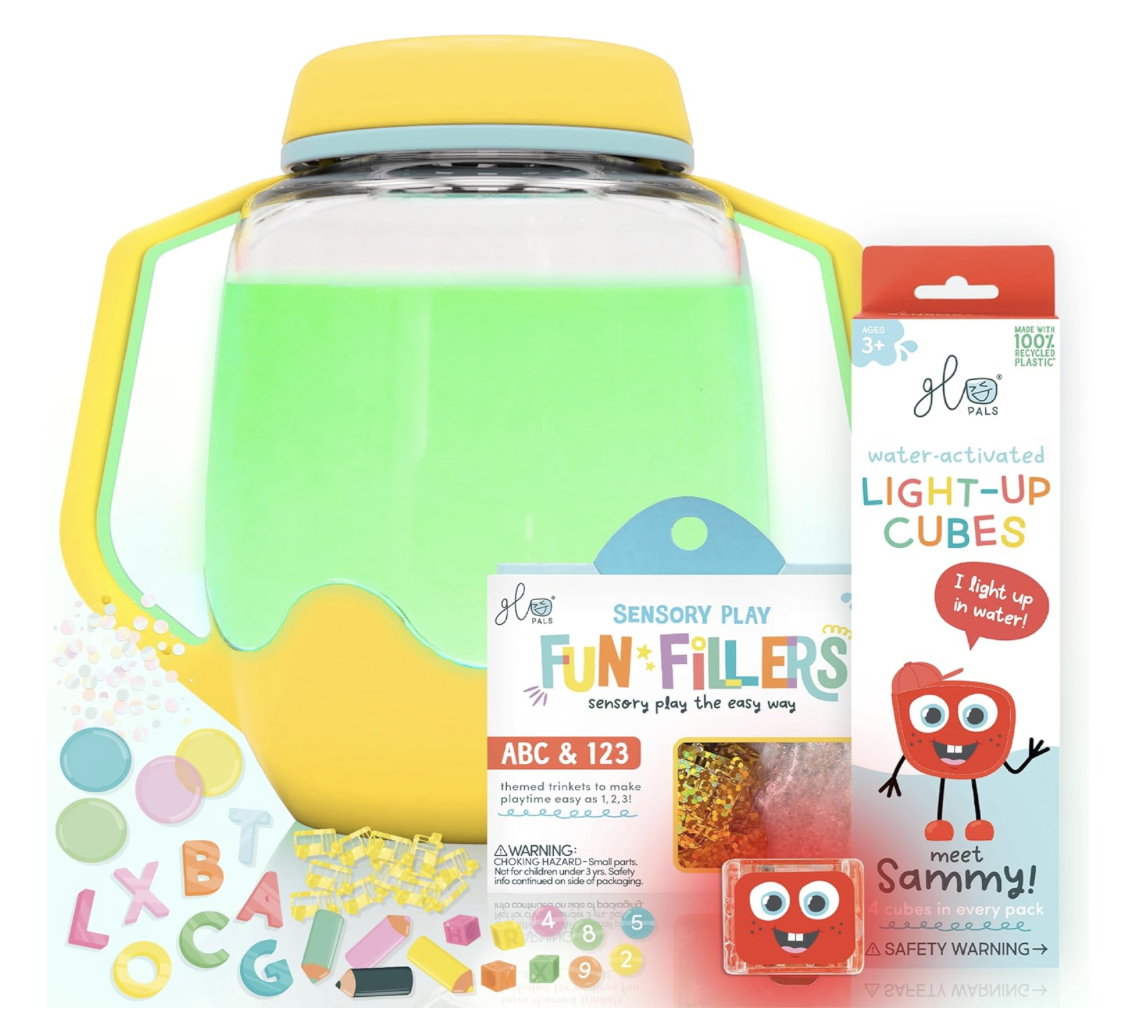
These are magical for kids.
When emotions feel overwhelming:
• Shake the bottle
• Watch the glitter slowly settle
• Take deep breaths while watching
This teaches visual calming and patience.
⸻
8. Role Play Difficult Situations
Sensitive kids often worry about social situations.
Use dolls or figurines to act out:
• First day of school
• Sharing toys
• Someone saying “no”
• Trying something new
This lets kids practice emotional situations safely.
⸻
9. Art for Emotional Expression
Art is one of the best emotional outlets for sensitive children.
Try prompts like:
• “Paint what calm feels like.”
• “Draw what anger looks like.”
• “What color is happiness today?”
It gives feelings a safe place to go.
⸻
10. Breathing Games
Breathing exercises don’t have to feel serious.
Turn them into games:
• Blow feathers across the table
• Blow bubbles slowly
• Pretend to smell flowers and blow out candles
These games teach self-regulation skills children will use for life.
This visual chart helps children identify their needs and use tools like breathing to help them.
⸻
The Gift of Raising a Highly Sensitive Child
Highly sensitive children are often misunderstood. Their big feelings can look like meltdowns, stubbornness, or anxiety.
But underneath that sensitivity is something extraordinary.
Many highly sensitive children grow up to become:
• Deep thinkers
• Compassionate leaders
• Creative artists
• Therapists, teachers, and helpers
• Innovative problem solvers
Their sensitivity is not a weakness.
It’s a powerful nervous system that simply needs the right support.
When we give sensitive children tools to regulate their emotions and honor their feelings, we aren’t just helping them survive childhood.
We’re helping them grow into emotionally intelligent adults who understand themselves and others.
And the best part?
Many parents discover along the way that they’re learning to support their own sensitive nervous systems too.
Listen to the full podcast on Apple or on Spotify.